 ,
Canadian orders ship from Canada
,
Canadian orders ship from Canada
 .
.



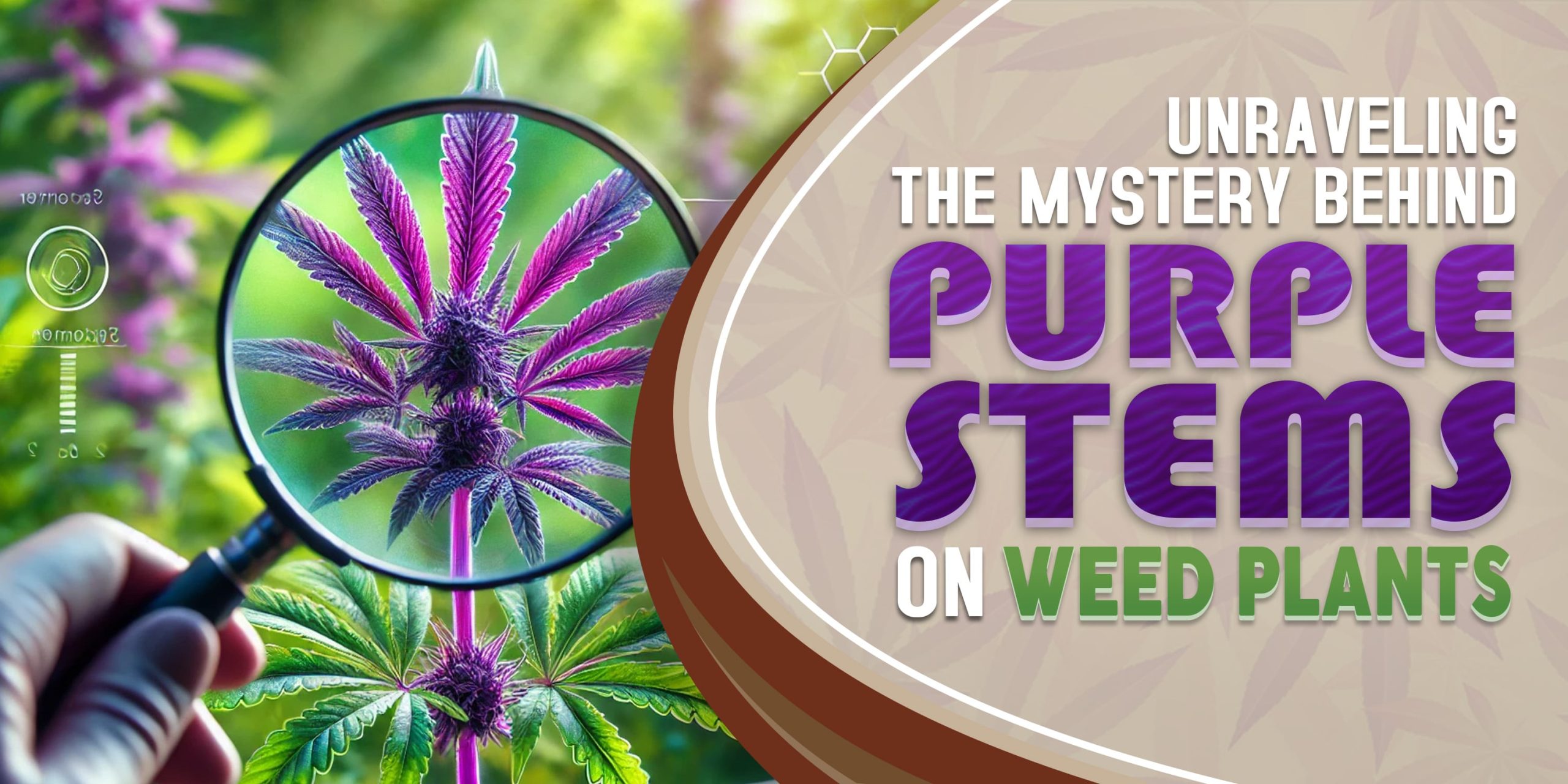
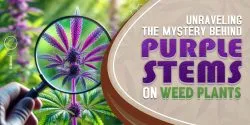
Cannabis cultivation embodies a nuanced blend of science and artistry, captivating growers with its diverse range of visual and olfactory delights. Amidst the kaleidoscope of colors, textures, and fragrances that cannabis plants offer, the emergence of purple stems on weed plants serves as a particularly intriguing aspect. Whether you’re just dipping your toes into the world of cultivation or possess years of experience, deciphering the origins of these purple hues unlocks a wealth of knowledge about the well-being of your weed plants. Indeed, the presence of purple stems can signify a delicate interplay of genetic predispositions and environmental influences, offering valuable insights into the overall health and vitality of your cannabis crop.
As we embark on this journey to unravel the mysteries surrounding purple stems in cannabis cultivation, we delve into the intricate mechanisms that govern plant pigmentation and response to stressors. By examining the factors that contribute to the development of purple stems, growers can gain a deeper understanding of their plants’ needs and tailor their cultivation practices accordingly. Whether viewed as a visual delight or a potential indicator of underlying issues, the study of purple stems adds a layer of complexity and intrigue to the art of cannabis cultivation, inviting enthusiasts to explore the enigmatic world of plant physiology and horticultural science.
The Role of Genetics and Strain-Specific Traits

Genetics play a pivotal role in determining the coloration of cannabis plants, including the appearance of purple stems. Certain strains, such as the Red Vines, Redding Pie, and Turning Violet strains, are renowned for their genetic predisposition to develop vibrant purple hues. These strains inherit specific genetic markers that regulate the production of pigments like anthocyanins, which impart the characteristic purple coloration to stems and foliage. For enthusiasts seeking to cultivate cannabis with striking visual appeal, opting for these purple-leaning strains can be a deliberate choice. However, it’s essential to note that genetic influences alone may not always be the sole determinant of purple stem occurrence, as environmental factors can also exert a significant influence.
Environmental Influences on Stem Coloration
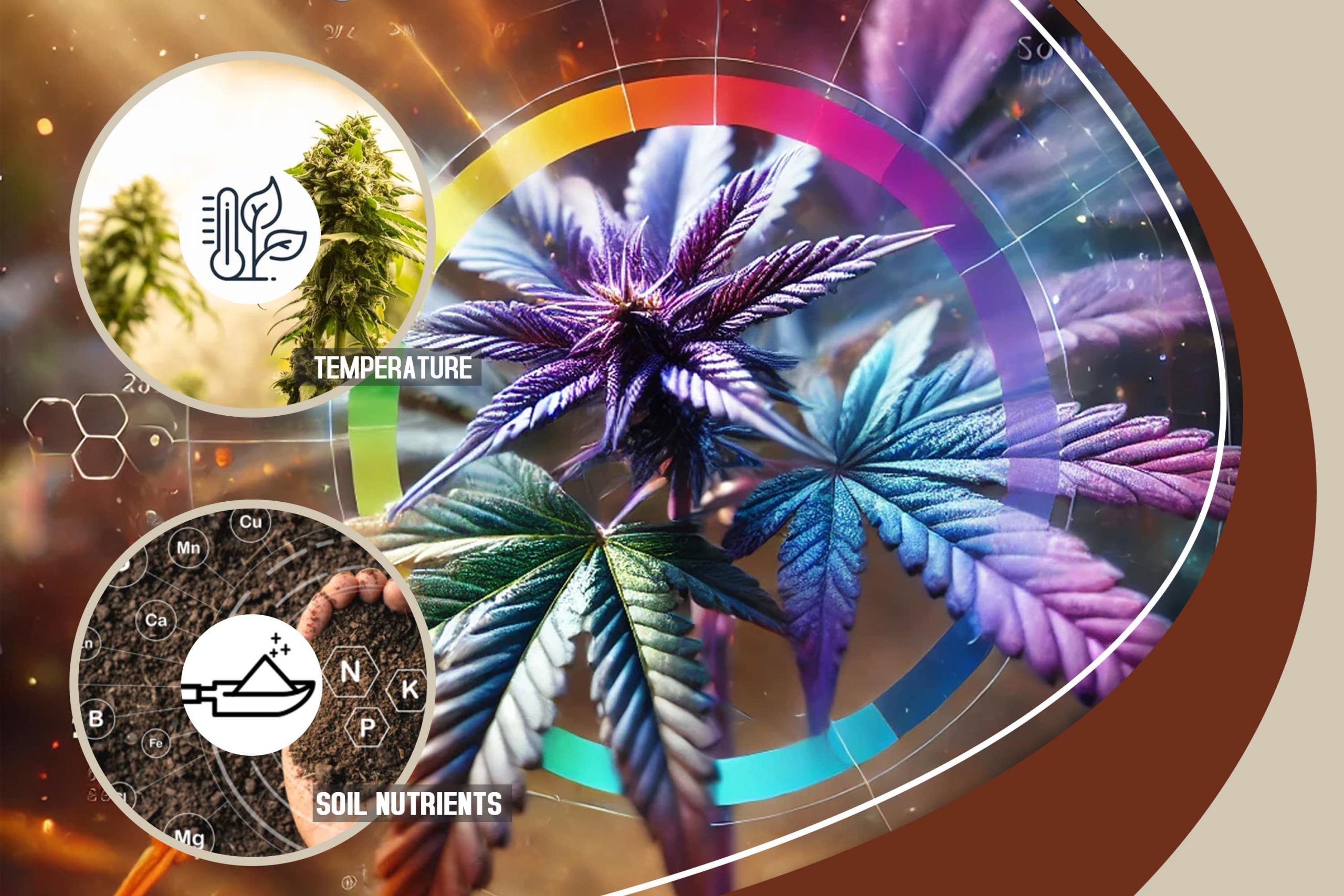
While genetics lay the foundation, environmental factors can profoundly influence the manifestation of purple stems on weed plants. Temperature fluctuations, especially during the flowering stage, can trigger the activation of anthocyanin production, leading to the development of purple pigmentation in stems. Cooler temperatures, particularly at night, are known to stimulate the synthesis of anthocyanins, intensifying the purple coloration. Additionally, nutrient deficiencies or imbalances can contribute to the emergence of purple stems, often accompanied by other visible symptoms such as yellowing leaves. Essential nutrients like phosphorus, magnesium, and potassium play critical roles in plant metabolism and pigment synthesis. When these nutrients are lacking or inadequately supplied, the plant’s ability to produce chlorophyll, the green pigment essential for photosynthesis, may be compromised, resulting in purple stems as a secondary effect. Therefore, maintaining optimal nutrient levels and ensuring a balanced fertilizer regimen are essential practices to prevent nutrient-related purple stem occurrences.
The Aesthetic Appeal and Practical Significance of Purple Stems
Beyond their aesthetic allure, purple stems serve as valuable indicators of the plant’s health and vigor. While some growers may appreciate the visual contrast that purple stems offer against lush green foliage, others may perceive them as warning signs of underlying issues. In conjunction with other symptoms such as yellowing leaves or stunted growth, purple stems can provide valuable diagnostic clues, prompting growers to investigate and address potential stressors promptly. By paying close attention to these visual cues, cultivators can fine-tune their growing techniques and optimize environmental conditions to ensure the overall well-being of their cannabis plants. Furthermore, the presence of purple stems adds an element of intrigue and uniqueness to the cultivation process, enhancing the sensory experience for enthusiasts and connoisseurs alike.
Conclusion
In the dynamic world of cannabis cultivation, the emergence of purple stems on weed plants is a multifaceted phenomenon shaped by a complex interplay of genetic predispositions and environmental influences. While genetics predispose certain strains to exhibit purple hues, environmental factors such as temperature fluctuations and nutrient availability play crucial roles in determining the intensity and prevalence of purple stem occurrences. Whether viewed as a striking visual feature or a telltale sign of underlying stress, purple stems offer valuable insights into the health and vitality of cannabis plants. By understanding the factors that contribute to purple stem formation and adopting proactive cultivation practices, growers can cultivate cannabis plants that not only captivate the eye but also thrive in optimal conditions.
FAQs
1. Why do plants turn purple?
Purple stems on weed plants can result from a combination of genetic predisposition and environmental factors. Certain strains possess genetic markers that promote the production of anthocyanin pigments, leading to purple coloration. Additionally, environmental stressors such as temperature fluctuations, nutrient deficiencies, and light exposure can further enhance the development of purple stems.
2. Are purple stems a sign of a healthy plant?
While purple stems can be visually striking, they may also indicate underlying stressors affecting the plant’s health. In some cases, purple stems may be a natural trait of certain strains and not necessarily a cause for concern. However, if accompanied by other symptoms such as yellowing leaves or stunted growth, purple stems could signify nutrient deficiencies or environmental imbalances that require attention.
3. Can I prevent purple stems from occurring?
While genetic factors play a significant role in determining stem coloration, growers can take steps to minimize the occurrence of purple stems. Maintaining optimal environmental conditions, including stable temperatures, adequate nutrient levels, and appropriate light exposure, can help mitigate stressors that contribute to purple stem development. Regular monitoring and adjusting of growing practices based on plant responses can also help prevent or address purple stem occurrences.
4. Are there any benefits to having purple stems on weed plants?
Beyond aesthetic appeal, purple stems can serve as indicators of the plant’s response to environmental stimuli. By paying attention to changes in stem coloration, growers can gain insights into the plant’s health and make informed adjustments to cultivation practices. Additionally, some consumers associate purple-hued cannabis with unique flavor profiles and therapeutic properties, contributing to its desirability in the market.
5. Can I use cannabis with purple stems for consumption?
Cannabis with purple stems is generally safe for consumption, as stem coloration does not directly affect the potency or quality of the plant’s flowers. However, it’s essential to ensure that the plant is grown in a controlled and pesticide-free environment to minimize potential health risks. As with any cannabis product, consumers should exercise caution and adhere to dosage recommendations to achieve desired effects safely.