 ,
Canadian orders ship from Canada
,
Canadian orders ship from Canada
 .
.





Sour Diesel is a popular choice among people who enjoy using cannabis because of its strong smell and powerful effects. Growing Sour Diesel can be a fun and satisfying experience for anyone, whether they’re new to gardening or have been doing it for a while. In this guide, we’ll take a closer look at how to grow Sour Diesel, covering everything from planting it outdoors to helping it grow through different stages, like when it’s just starting out and when it’s flowering. We’ll also talk about how much THC it contains and share some advice on how to make sure your harvest is successful. So, if you’re interested in growing Sour Diesel yourself, keep reading to learn more!
Understanding Sour Diesel
Understanding the Sour Diesel strain starts with knowing where it comes from and what makes it special. Originating from the West Coast of the United States, Sour Diesel is believed to be a descendant of Chemdawg 91 and Super Skunk, though its exact lineage remains a topic of debate among enthusiasts. What sets Sour Diesel apart are its distinct characteristics and flavor profile. It’s known for its strong, diesel-like aroma with hints of citrus and earthiness, which many find appealing. The flavor is often described as a combination of fuel and lemon zest, making it a unique and sought-after strain in the cannabis community.
In addition to its unmistakable scent and taste, Sour Diesel boasts potent effects that users appreciate. It’s renowned for its uplifting and energizing properties, making it a favorite choice for daytime use. Many people enjoy Sour Diesel Strain for its ability to promote creativity, focus, and a sense of euphoria without inducing overwhelming sedation. Overall, understanding the Sour Diesel strain involves appreciating its rich heritage, distinctive characteristics, and the positive experiences it offers to those who consume it.
Outdoor Cultivation of Sour Diesel
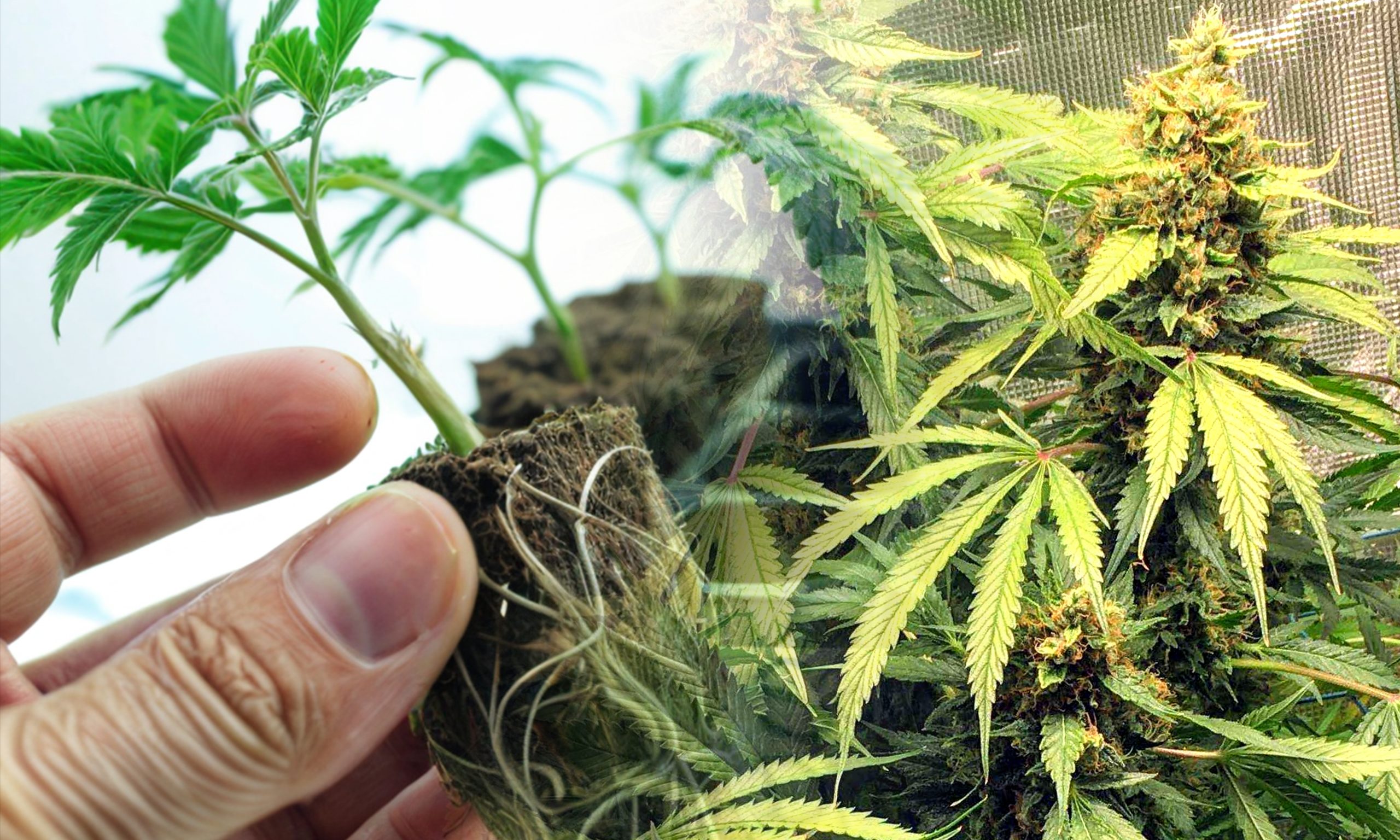
Outdoor cultivation of Sour Diesel requires careful consideration of the climate and environment to ensure successful growth. Sour Diesel outdoor grow in warm and sunny climates with plenty of sunlight. Ideally, it should be grown in areas with a Mediterranean-like climate, where the temperatures are mild during the day and cooler at night. It’s important to choose a location with good air circulation to prevent mold and pests, as Sour Diesel plants can be susceptible to these issues.
Preparing the soil and providing the right nutrients are essential steps for outdoor Sour Diesel plant. The soil should be well-draining and rich in organic matter, with a pH level around 6.0 to 7.0. Before planting, amend the soil with compost or other organic fertilizers to provide essential nutrients for the plants’ growth. Throughout the growing season, monitor the soil moisture levels and supplement with a balanced fertilizer as needed to support healthy development. By preparing the soil properly and providing adequate nutrients, you can optimize the outdoor cultivation of Sour Diesel and ensure a bountiful harvest.
Vegetative Stage of Sour Diesel
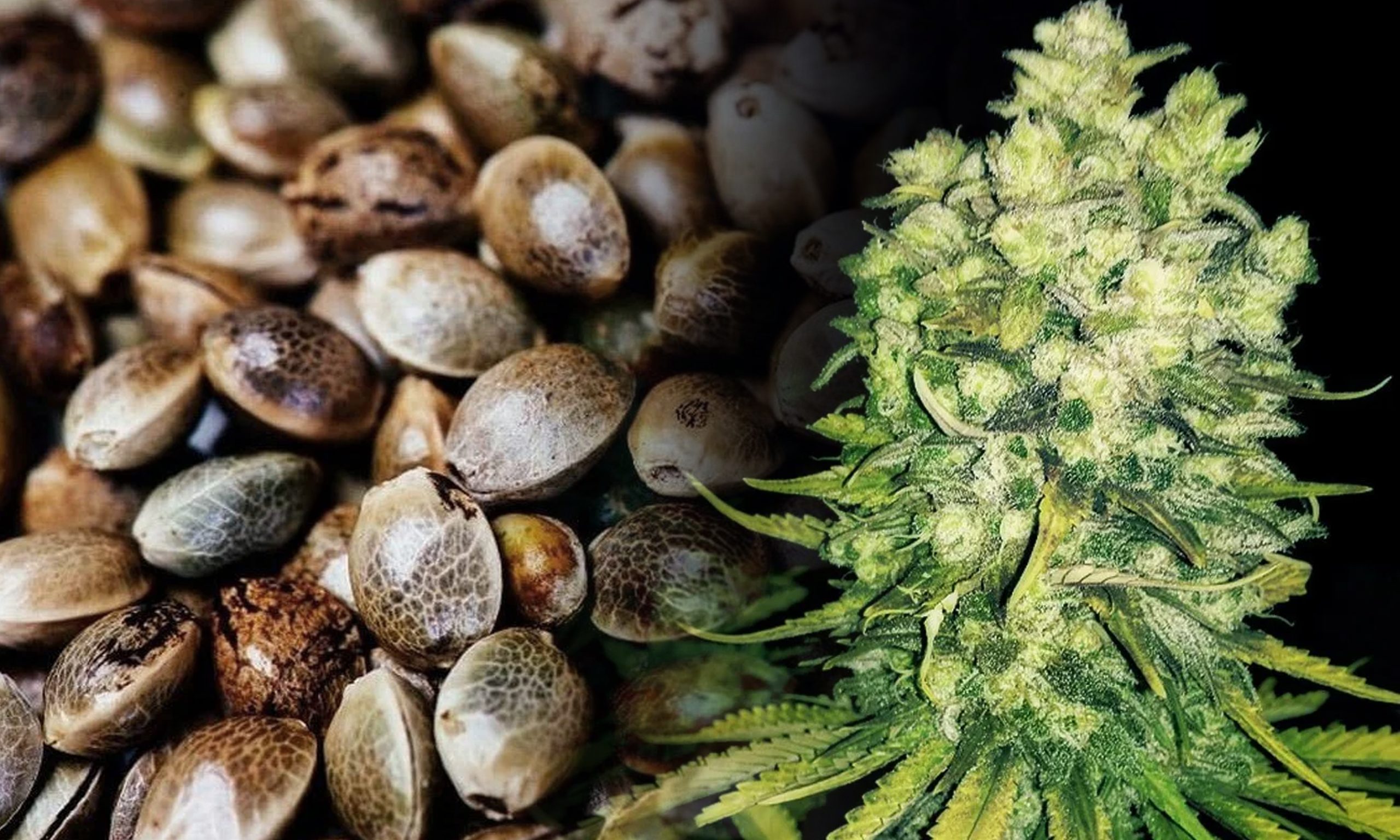
During Sour Diesel Vegetative stage, it’s crucial to create the right conditions for healthy growth. For outdoor cultivation, Sour Diesel plants thrive in a warm and sunny climate, similar to the conditions preferred during the flowering stage. Providing plenty of sunlight and a mild temperature range encourages vigorous vegetative growth. Additionally, ensuring good air circulation around the plants helps prevent issues like mold and mildew, which can hinder growth.
Before planting Sour Diesel outdoors, preparing the soil and meeting its nutrient requirements are vital steps. The soil should be well-draining and rich in organic matter to support robust growth. Prior to planting, amend the soil with compost or organic fertilizers to provide essential nutrients. Throughout the vegetative stage, monitor the soil moisture levels and supplement with a balanced fertilizer as needed to promote healthy foliage development. By creating an optimal environment and meeting the nutrient needs of Sour Diesel during the vegetative stage, growers can set the foundation for strong and resilient plants that will eventually produce abundant buds during the flowering stage.
Flowering Time and Techniques
As Sour Diesel plants progress from the vegetative stage to the flowering stage, it’s essential to manage the transition effectively. During this transition, growers may adjust the light cycle to simulate the changing seasons, signaling to the plants that it’s time to produce flowers. For outdoor cultivation, this often occurs naturally as the days become shorter heading into fall. However, for indoor growers, adjusting the light cycle to 12 hours of light and 12 hours of darkness initiates flowering. This change in light triggers hormonal shifts in the plants, prompting them to focus their energy on bud production rather than foliage growth.
Managing light cycles is crucial for maximizing bud development during the flowering stage of Sour Diesel plants. Providing consistent light schedules helps maintain plant health and encourages even bud growth. During flowering, Sour Diesel plants require ample light, preferably full spectrum, to support robust bud formation. It’s essential to avoid light interruptions during the dark period, as this can disrupt the flowering process and potentially lead to stress or hermaphroditism in the plants. By carefully managing light cycles throughout the flowering stage, growers can ensure that their Sour Diesel plants produce plentiful, high-quality buds for a satisfying harvest.
Monitoring THC Levels
Monitoring Sour Diesel thc level is essential for ensuring desired potency and effects. Several factors influence THC production in these plants, including genetics, environmental conditions, and cultivation practices. Genetics play a significant role, as certain Sour Diesel strains may naturally produce higher levels of THC. Additionally, environmental factors such as light intensity, temperature, humidity, and nutrient availability can impact THC synthesis. By providing optimal growing conditions and nutrient balance during the vegetative and flowering stages, growers can help maximize THC production in their Sour Diesel plants.
There are several techniques growers can employ to enhance THC content in Sour Diesel plants. One common method is stress training, such as topping or pruning, which encourages the plant to focus its energy on producing cannabinoids like THC. Additionally, adjusting environmental variables such as light spectrum and intensity during the flowering stage can stimulate increased THC production. Some growers also utilize supplements or organic additives specifically designed to boost cannabinoid levels in cannabis plants. By implementing these techniques alongside careful monitoring and observation, growers can enhance the THC content of their Sour Diesel plants, resulting in a more potent and satisfying end product.
Sour Diesel Strain Variants
Exploring different variants of the Sour Diesel strain, such as the Sour 2018 Strain, unveils a fascinating array of characteristics and effects. Each variant of Sour Diesel may possess unique traits, influenced by factors like genetics, cultivation techniques, and environmental conditions. For instance, the Sour 2018 Strain might exhibit subtle differences in aroma, flavor, and potency compared to its predecessors or other variants. While the signature diesel-like scent and citrusy flavor remain consistent across most Sour Diesel strains, nuances in terpene profiles can lead to variations in aroma and taste, ranging from earthy and skunky to fruity and floral.
Variations in aroma, flavor, and effects among Sour Diesel strain variants offer diverse experiences for consumers. While some variants may deliver a potent cerebral high accompanied by euphoria and creativity, others might lean towards a more relaxing and sedating effect. Additionally, differences in terpene composition contribute to the overall sensory experience, with some variants boasting stronger citrus or fuel-like notes. Understanding these variations allows consumers to select Sour Diesel strains that align with their preferences and desired effects, whether seeking a daytime boost of energy and focus or a relaxing evening unwind.
Tips for a Successful Sour Diesel Harvest
Successfully harvesting Sour Diesel involves recognizing the signs that indicate the plants are ready for harvest. One key indicator is the color of the pistils, which are small hair-like structures on the buds. When the majority of pistils have turned amber or brown, it’s often a sign that the buds are ripe for harvesting. Additionally, observing the trichomes, tiny resin glands on the buds, under a magnifying glass can provide valuable insight. When the trichomes appear cloudy or milky with some amber ones, it indicates peak cannabinoid content and maturity, signaling an optimal time for harvest.
After harvesting, proper drying and curing techniques are crucial for enhancing the flavor and potency of Sour Diesel buds. Drying the buds in a dark, well-ventilated space with moderate humidity levels helps remove excess moisture while preserving the delicate terpenes responsible for the strain’s aroma and flavor. Once dried, the buds should be cured in airtight containers, such as glass jars, to allow for gradual moisture redistribution and further development of flavor and potency. Properly dried and cured Sour Diesel buds not only boast enhanced aroma and taste but also deliver a smoother smoking experience and prolonged shelf life.
Conclusion
Mastering the art of growing Sour Diesel entails a comprehensive understanding of its cultivation, characteristics, and harvesting techniques. From selecting optimal outdoor growing conditions to managing the vegetative and flowering stages with care, each step plays a crucial role in achieving a successful harvest. Furthermore, exploring the diverse variants of Sour Diesel offers consumers a spectrum of experiences, from nuanced flavors to varying effects. By monitoring THC levels and employing techniques to enhance potency, growers can refine their cultivation practices and produce high-quality Sour Diesel strains. Finally, attention to detail during the harvesting process, including recognizing signs of readiness and employing proper drying and curing methods, ensures that Sour Diesel buds maintain their aroma, flavor, and potency for an exceptional smoking experience. Through dedication and knowledge, growers can truly unlock the full potential of this beloved cannabis strain.
FAQs
1. How long does it take to grow Sour Diesel outdoors?
Outdoor cultivation of Sour Diesel typically takes around 10 to 12 weeks from seed to harvest. However, this timeframe can vary depending on factors such as climate, growing conditions, and the specific genetics of the strain.
2. How do I know when my Sour Diesel plants are ready for harvest?
Signs of readiness for harvest include changes in the color of the pistils (hairs on the buds) from white to amber or brown, as well as observing the trichomes (resin glands) on the buds. When the trichomes appear cloudy or milky with some amber ones, it indicates peak cannabinoid content and maturity.
3. What are some common pests and diseases that affect Sour Diesel plants, and how can I prevent them?
Common pests that may affect Sour Diesel plants include spider mites, aphids, and whiteflies, while diseases such as powdery mildew and bud rot can also occur. Preventative measures include maintaining good airflow, practicing proper sanitation, and using organic pest control methods when necessary.
4. What nutrients does Sour Diesel need during its growth cycle?
Sour Diesel, like other cannabis strains, requires a balance of essential nutrients throughout its growth cycle. These include macronutrients such as nitrogen (N), phosphorus (P), and potassium (K), as well as micronutrients like calcium, magnesium, and various trace elements.
5. What type of fertilizer is best for feeding Sour Diesel plants?
It’s recommended to use a balanced fertilizer specifically formulated for cannabis cultivation, either in liquid or granular form. Look for fertilizers labeled as “complete” or “all-purpose,” which contain a balanced ratio of macro and micronutrients suitable for the vegetative and flowering stages of Sour Diesel plants.