 ,
Canadian orders ship from Canada
,
Canadian orders ship from Canada
 .
.




In recent years, there has been a surge of interest in unconventional ingredients and holistic wellness approaches, prompting the emergence of flour weed, commonly recognized as cannabis flour or cannaflour. This unique substance derived from the cannabis plant has sparked curiosity due to its versatile applications in both culinary endeavors and medicinal practices. Yet, before exploring its myriad uses and advantages, it’s crucial to grasp the fundamental nature of flour weed and its distinctions from other cannabis-based products.
Weed flour represents a fascinating intersection of culinary innovation and therapeutic potential, captivating the attention of health enthusiasts and chefs alike. As we embark on this exploration, it’s essential to unravel the essence of marijuana flour, shedding light on its origins and distinguishing features within the realm of cannabis-derived substances.
What is Flour Weed?
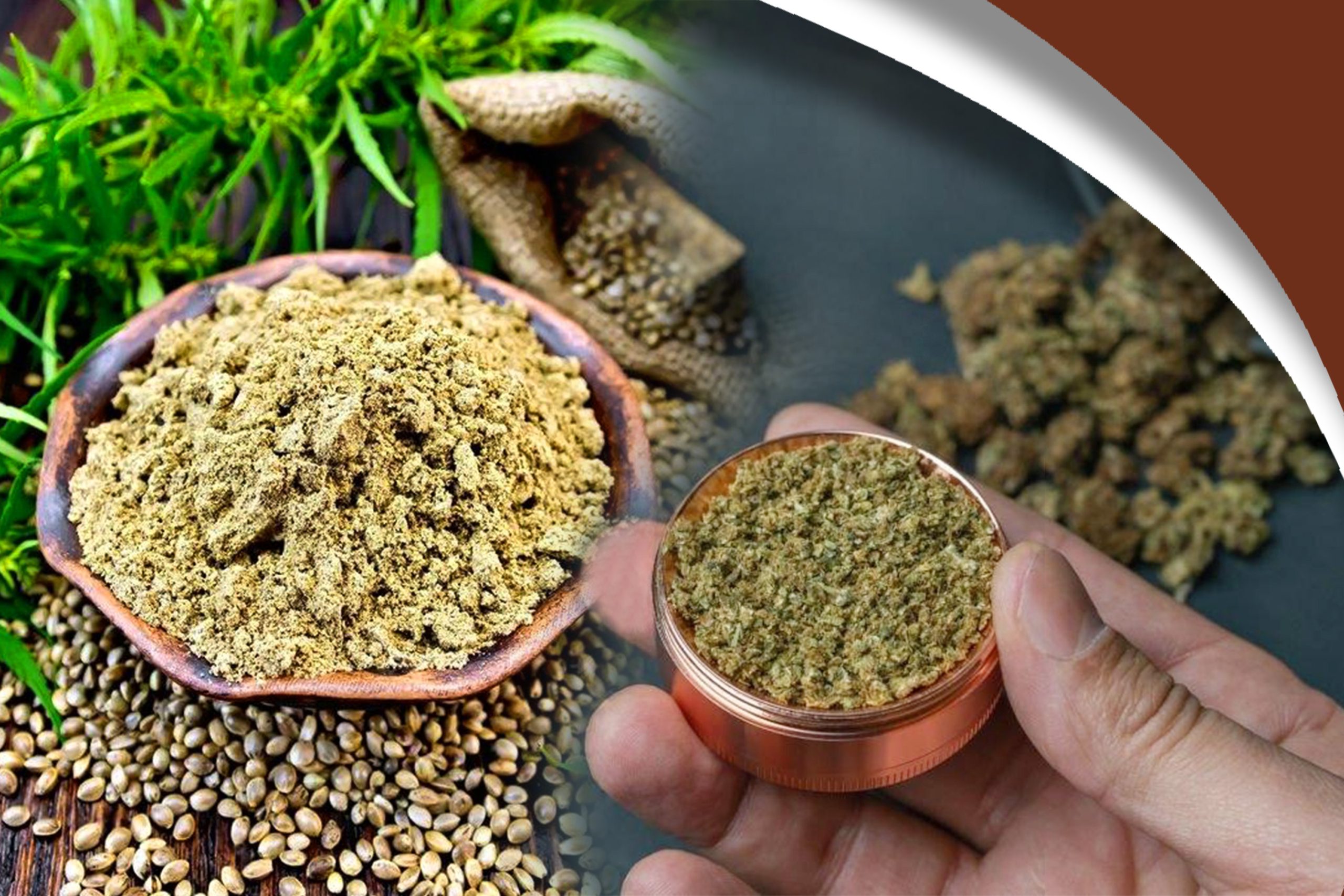
Flour weed, also known as cannabis flour or cannaflour, is essentially ground-up cannabis plant material. It’s made by grinding dried cannabis buds, leaves, or stems into a fine powder using a grinder or food processor. This process breaks down the plant material into small particles, creating a versatile ingredient that can be incorporated into various recipes and products.
One notable aspect of flour weed is its varying potency, which depends on the parts of the cannabis plant used and their cannabinoid concentrations. While some flour weed may have higher levels of THC, the psychoactive compound in cannabis, others may contain more CBD, a non-intoxicating cannabinoid known for its potential therapeutic effects. This diversity allows users to choose flour weed with the cannabinoid profile that best suits their preferences and needs.
Culinary Applications of Flour Weed

Flour weed, also offers exciting possibilities in the kitchen. It can be used as a substitute for regular flour in recipes, adding the benefits of cannabis to dishes. Whether you’re cooking savory meals or sweet treats, incorporating cannaflour allows for a unique infusion of cannabis into your favorite recipes.
In baking, flour weed opens up a world of possibilities. From cookies and cakes to bread, adding cannaflour provides a discreet and customizable way to enjoy cannabis-infused goodies. Plus, using cannaflour in baking allows for precise dosing, making it easier to manage the intake of THC and CBD, the active compounds in cannabis, ensuring a consistent and controlled experience with each bite.
Health Benefits and Considerations
When it comes to health, flour weed, also known as cannabis flour or cannaflour, may offer some benefits and considerations to keep in mind. For starters, CBD-infused flour weed could potentially help with managing chronic pain and inflammation without causing the psychoactive effects often associated with THC, another compound found in cannabis. This means individuals seeking relief from pain may find cannaflour to be a helpful option without experiencing a “high.”
Additionally, some users have reported that consuming products made with flour weed might help in relieving symptoms of anxiety and stress. This suggests that cannaflour could potentially offer a natural way to manage these common mental health concerns. However, it’s essential to note that like any cannabis product, flour weed consumption may lead to side effects such as dry mouth, increased heart rate, and impaired motor function. Being aware of these potential effects is important for making informed decisions about incorporating cannaflour into one’s wellness routine.
Extraction Methods
When it comes to extracting cannabinoids from the cannabis plant to make flour weed, there are two main methods: solvent-based extraction and solventless extraction. In solvent-based extraction, producers use substances like ethanol or CO2 to draw out the cannabinoids from the cannabis plant material before grinding it into flour. This method is efficient and commonly used in industrial settings.
On the other hand, some producers prefer solventless extraction methods like dry sifting or ice water extraction. These techniques aim to preserve the integrity of cannabinoids and terpenes without using any solvents. While solventless extraction may be more labor-intensive, it’s often favored by those who prioritize purity and natural processing methods. Both methods have their advantages and considerations, so understanding them can help consumers make informed choices about the flour weed products they choose.
Storage and Shelf Life
Storing flour weed properly is essential to maintain its freshness and potency over time. It’s best to keep flour weed in an airtight container in a cool, dark place away from direct sunlight and moisture. This helps prevent the cannabinoids from degrading and ensures that the flour weed remains effective.
When stored correctly, flour weed can retain its potency for several months to a year. However, exposure to light, heat, and moisture can accelerate the degradation process, reducing its shelf life. By following these storage guidelines, individuals can prolong the freshness and efficacy of their flour weed, ensuring a consistent experience with each use.
Alternative Uses Beyond Cooking
Flour weed, also known as cannabis flour or cannaflour, isn’t just for cooking – it has alternative uses too. Some people use flour weed mixed with carrier oils or lotions for topical applications. By applying it to the skin, they aim to alleviate pain, inflammation, and various skin conditions, harnessing the potential therapeutic benefits of cannabis directly where it’s needed.
Moreover, flour weed can be used to create homemade tinctures, oils, or extracts for sublingual or topical use. This do-it-yourself approach allows individuals to customize their cannabis-infused products according to their preferences and needs. Whether it’s for pain relief or relaxation, exploring alternative uses for flour weed offers a versatile way to incorporate cannabis into daily wellness routines beyond just cooking.
Risks and Precautions
Understanding the risks and taking precautions when using flour weed, also known as cannabis flour or cannaflour, is essential for a safe and enjoyable experience. One significant risk is overconsumption, which can result in adverse effects such as paranoia, nausea, or impaired cognitive function. It’s crucial to consume flour weed in moderation and be mindful of individual tolerance levels to avoid these potential consequences.
Moreover, individuals taking medications should exercise caution when using flour weed, as it may interact with certain drugs. Consulting with a healthcare professional before incorporating flour weed into your routine is advisable to ensure there are no adverse interactions with medications. By being aware of these risks and taking necessary precautions, individuals can safely explore the benefits of flour weed while minimizing potential complications.
In conclusion, delving into the potential of flour weed, or cannaflour, reveals a fascinating intersection of culinary innovation and therapeutic promise. This unique substance derived from the cannabis plant opens up a realm of possibilities, from enhancing recipes with its distinct flavor profile to potentially offering relief from various health concerns. However, it’s essential to approach its use with caution and awareness of potential risks.
While flour weed presents exciting opportunities for culinary experimentation and holistic wellness, it’s crucial to be mindful of overconsumption and its associated adverse effects. Moderation is key to ensuring a safe and enjoyable experience with flour weed. Additionally, individuals taking medications should exercise caution and consult with a healthcare professional before incorporating flour weed into their routines to avoid potential interactions. By understanding the risks and taking necessary precautions, individuals can unlock the benefits of flour weed while minimizing potential complications, paving the way for a harmonious integration of cannabis into diverse aspects of daily life.
FAQs
1.What are the culinary applications of flour weed?
Flour weed can be used as a substitute for regular flour in recipes, adding the benefits of cannabis to dishes. It can also be incorporated into baked goods like cookies, cakes, and bread for a discreet and customizable way to consume cannabis. Using flour weed in cooking allows for precise dosing, making it easier to manage the intake of THC and CBD.
2.Are there any health benefits associated with flour weed?
Some individuals use flour weed mixed with carrier oils or lotions for topical applications to alleviate pain, inflammation, and skin conditions. Moreover, flour weed can be used to make homemade tinctures, oils, or extracts for sublingual or topical use, potentially offering relief from various health concerns.
3.What are the risks of using flour weed?
Overconsumption of flour weed can lead to adverse effects such as paranoia, nausea, or impaired cognitive function. Additionally, individuals taking medications should consult with a healthcare professional before using flour weed, as it may interact with certain drugs.
4.How should flour weed be stored?
Flour weed should be stored in an airtight container in a cool, dark place away from direct sunlight and moisture to maintain its potency and freshness. When stored correctly, flour weed can retain its potency for several months to a year.
5.Is flour weed legal to use and possess?
The legality of flour weed varies depending on jurisdiction. It’s essential to familiarize yourself with local laws and regulations governing its possession, sale, and consumption before using it.