


Durban Poison Strain Regular SeedsThe South African landrace sativa, as male and female seeds
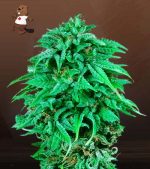
No reviews yet · be the first to review Durban PoisonThe Durban Poison strain is a pure sativa landrace from the Durban region of South Africa, carried to the US in the 1970s and later stabilized in Amsterdam. It is known for a sweet anise-and-pine smell, a clear, energetic high and an 8 to 9 week bloom. These regular seeds produce both male and female plants, which suits growers who want to breed, make seeds or keep a mother plant.
You get 20 seeds (10 + 10 free) Buy one, get one free on every 10- and 25-seed pack, and your free pack can be any strain. 5-seed packs get 1 free seed. Free shipping on seed orders over $200.
- US orders ship from the US, Canadian orders from Canada
- Discreet, unbranded packaging
- 80% germination guarantee
- Guaranteed delivery

Frequently bought together
Choose variants
×| Product | Price |
|---|


What is the Durban Poison strain?
Durban Poison is a pure sativa landrace from the port city of Durban in KwaZulu-Natal, South Africa, refined by American and Dutch growers from the late 1970s onward. Dutch Passion describes its line as inbred and never hybridized, flowering in 8 to 9 weeks with 16–25% THC. Durban Poison is famous for a sweet anise or licorice aroma and a clear, energetic high, and it is a parent of Girl Scout Cookies and Cherry Pie.
Dutch Passion and AllBud call it 100% sativa. SeedFinder growers also document a more compact indoor phenotype.
Dutch Passion and growers on SeedFinder describe Durban Poison's taste as sweet licorice or anise over pine.
Durban Poison strain specs
Durban Poison's numbers come from Dutch Passion's breeder notes on SeedFinder, grower reports on the same site, AllBud and Leafly. Because this inbred landrace line is sold by several seed makers, regular seeds from different sources can vary in height and finishing time.
| Type | Pure sativa landrace (100% sativa) |
|---|---|
| Genetics | Durban landrace from KwaZulu-Natal, South Africa; inbred, not hybridized |
| Bred by | Landrace; brought to the US by Ed Rosenthal, refined with Mel Frank and Sam the Skunkman; Dutch Passion line |
| THC | About 15–25% (Dutch Passion lists 16–25%; Leafly about 19%) |
| CBD | Low, usually under 1% |
| Main terpenes | Terpinolene, myrcene, ocimene (Leafly) |
| Aroma & flavor | Sweet anise and licorice, pine, lemon, sage, earthy spice |
| Reported effects | Energetic, focused, uplifted, creative |
| Seed type | Regular (roughly half male, half female) |
|---|---|
| Flowering indoors | 8–9 weeks (about 60 days) |
| Outdoor harvest | Late September to mid-October (Northern Hemisphere) |
| Height | Tall: about 1.4–2 m (4.6–6.5 ft) indoors; up to 3 m (10 ft) outdoors |
| Yield | High; growers report over 1 kg from single outdoor plants |
| Difficulty | Moderate (sexing and height control needed) |
| Best methods | Topping, LST and SCROG; mother plants and seed making |
| Climate | Warm, dry and sunny; Mediterranean-type gardens or indoors |
Where does the Durban Poison strain come from?
Durban Poison has no parent strains: it is a landrace, a local sativa population that grew around Durban in KwaZulu-Natal, South Africa, before modern breeding began. Cannabis author Ed Rosenthal is usually credited with bringing seeds to the US in the 1970s, and he worked with grower and writer Mel Frank to make the plant more dependable outdoors.
The early seeds often grew intersex plants, a common landrace flaw, and Sam the Skunkman (David Watson) is credited with breeding that trait out over many cycles before moving to Amsterdam with the line in the 1980s. The Seed Bank of Holland helped popularize it there, Dutch Passion now sells an inbred line it calls never hybridized, and GreenState reports a Best Sativa win at the 2010 High Times Cup.
Why grow Durban Poison from regular seeds?
Regular Durban Poison seeds make sense if you want to breed, make your own seeds or hunt for a long-term mother plant. Each regular seed has roughly an even chance of becoming male or female. Males are needed to pollinate and keep a landrace line going, and growing out a bigger batch of females lets you choose the plant with the best anise smell and branching to keep as a clone mother.
How to sex Durban Poison: look at the nodes in late veg or the first two weeks of 12/12. Males form small round pollen sacs, while females show thin white pistils. Remove males before the sacs open unless you plan to collect pollen.
What does Durban Poison taste like, and how does it feel?
Aroma and flavor
Durban Poison tastes sweet and herbal, with licorice or anise over pine and lemon, and some plants add an earthy sage note or a light, rose-like floral scent.
- Anise
- Licorice
- Pine
- Lemon
- Sage
- Earthy spice
Terpenes
- Terpinolene
- Fresh, herbal and slightly floral; Leafly's top terpene
- Myrcene
- Earthy, musky depth
- Ocimene
- Sweet, green and woody
Durban Poison's terpene results swing between labs: one Oregon test led with terpinolene, while another lab put caryophyllene and humulene on top.
Reported effects
Durban Poison is best known for a clear, energetic and focused high, which Leafly reviewers sum up as focused, energetic and uplifted. GreenState compares the buzz to a strong espresso, and most people pick Durban Poison for daytime activity rather than winding down.
- Energetic
- Focused
- Uplifted
- Creative
- Happy
Durban Poison's reported downsides are dry mouth, dry eyes and, at higher doses, anxious or racy feelings that several AllBud reviewers mention.
These Durban Poison effects summarize reviews on Leafly and AllBud plus the descriptions from Dutch Passion and GreenState. Responses vary between people, and nothing here is medical advice.
How do you grow Durban Poison seeds?
Durban Poison regular seeds grow tall, vigorous sativa plants that need sexing: veg until the plants show their sex, remove or isolate the males, top and train the females for height, and flower them for 8 to 9 weeks under 12/12.
- Germinate3–7 days
Start a few more Durban Poison seeds than the number of females you want, since about half will turn out male.
- Vegetate4–6 weeks indoors
Top Durban Poison early and bend the branches with LST; one SeedFinder grower measured about 200% stretch once flowering began.
- Flower8–9 weeks
Sex the plants in the first weeks of 12/12, pull males unless you are saving pollen, and give the females bright light for chunky, resinous buds.
- HarvestDay ~60 indoors · late Sept to mid-Oct outdoors
Dutch Passion's line often finishes by the end of September outdoors; harvest when most trichomes are cloudy.
Grow tips for Durban Poison
- Sex early, and keep a good male if you breed. Durban Poison males show pollen sacs at the nodes. Isolate one strong, healthy male if you want seeds, and remove the rest before they open.
- Check for intersex flowers. Early Durban seeds were prone to intersex plants. Modern lines are stabilized, but inspect females for stray pollen sacs, especially after stress.
- Plan for a tall plant. Outdoor Durban Poison can reach about 3 m in good conditions and indoor plants often finish near 1.4–2 m, so top early and use a SCROG net.
- Keep a mother plant. Aroma and structure vary between Durban Poison seedlings, so take clones from your best female before flowering and keep her in veg.
- Give it sun and dry air. SeedFinder growers report good pest and mold resistance, but one saw leaf septoria in a cool, damp season, so a warm, dry autumn suits it best.
Is Durban Poison the right strain for you?
Great pick if you
- Want to breed or make your own Durban Poison seeds
- Want to select and keep a long-term mother plant
- Like clear, energetic daytime sativas
- Have the height for a tall plant, indoors or out
- Enjoy sweet anise and herbal flavors
Think twice if you
- Don't want to sex plants (feminized Durban Poison avoids that)
- Grow in a short tent with no room to train
- Want a heavy, relaxing evening strain
- Are sensitive to racy sativa effects
Durban Poison strain FAQ
Is Durban Poison indica or sativa?
Durban Poison is a pure sativa. Dutch Passion and AllBud list it at 100% sativa, and it is one of the best-known African landraces. Some modern phenotypes grow a little more compactly, but the effects stay clear and energetic.
Where does Durban Poison come from?
Durban Poison comes from the Durban area of KwaZulu-Natal, South Africa. Ed Rosenthal is credited with bringing seeds to the US in the 1970s, and Mel Frank and Sam the Skunkman later stabilized the line before it reached Amsterdam.
What does regular mean for Durban Poison seeds?
Regular Durban Poison seeds are not feminized, so roughly half grow into male plants and half into females. Growers choose regular seeds to breed, collect pollen, keep the line's natural variety or select a mother plant. Only the females produce smokable buds.
How do I tell male and female Durban Poison plants apart?
Look at the nodes where branches meet the stem. Male Durban Poison plants grow small round pollen sacs, often in late veg or the first weeks of 12/12, while females grow wispy white pistils. Remove males before the sacs open unless you want seeds.
How long does Durban Poison take to flower?
Durban Poison flowers in about 8 to 9 weeks indoors, around 60 days, according to Dutch Passion. Outdoors in the Northern Hemisphere it usually finishes between late September and mid-October, depending on the line and the weather.
How much THC does Durban Poison have?
Durban Poison usually tests between about 15% and 25% THC. Dutch Passion lists 16–25%, Leafly shows about 19%, and AllBud lists up to 24%. CBD is low.
How tall does Durban Poison grow?
Durban Poison grows tall. Dutch Passion notes outdoor plants reaching about 3 m (10 ft) in good conditions, and indoor grow reports on SeedFinder describe plants near 1.4–2 m with strong stretch in early flower. Topping and training help indoors.
What does Durban Poison taste like?
Durban Poison tastes sweet and herbal, with anise or licorice over pine and lemon, and terpinolene is its most often cited terpene. Some plants lean earthier or show a light floral note.
Is Durban Poison a parent of Girl Scout Cookies?
Yes. Girl Scout Cookies is usually listed as OG Kush crossed with an F1 Durban Poison plant, and Cherry Pie is Granddaddy Purple × Durban Poison. Its energy and resin show up in many modern hybrids.
Durban Poison reviews
No reviews yet
Grown our Durban Poison seeds? Tell other growers how the plants and harvest turned out.
Thanks for your review! It shows here as soon as our team has checked it.
Durban Poison's relatives and similar strains
 Durban Poison Feminized
 Girl Scout Cookies Feminized
 Cherry Pie Feminized
 Jack Herer Regular
Beaver Seeds sells cannabis seeds for collection and genetic preservation where permitted. Check the laws in your state, province or country before germinating seeds. Effects are user-reported and are not medical claims.
Your cart
Your cart is empty. Pick a pack and it lands here.