


Durban Poison Strain Feminized SeedsSouth Africa's anise-scented sativa, as all-female seeds
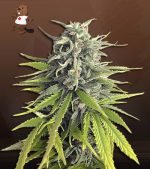
No reviews yet · be the first to review Durban PoisonThe Durban Poison strain is a South African sativa famous for its licorice-and-anise scent, tall frame and bright, wide-awake high. This feminized version skips the sexing step: every healthy seed should grow a female plant that flowers in 8 to 9 weeks once you set the lights to 12/12. Dutch Passion rates the line as an XXL yielder, so give it room or train it early.
You get 20 seeds (10 + 10 free) Buy one, get one free on every 10- and 25-seed pack, and your free pack can be any strain. 5-seed packs get 1 free seed. Free shipping on seed orders over $200.
- US orders ship from the US, Canadian orders from Canada
- Discreet, unbranded packaging
- 80% germination guarantee
- Guaranteed delivery

Frequently bought together
Choose variants
×| Product | Price |
|---|


What is the Durban Poison strain?
Durban Poison is a sativa from the Durban area of KwaZulu-Natal, South Africa, inbred for decades by American and Dutch growers and best known for its sweet anise smell and clear, energetic high. Dutch Passion lists 16–25% THC, an 8 to 9 week bloom and an end-of-September outdoor finish. These feminized seeds grow female plants, so every plant in the tent can carry buds.
Dutch Passion's breeder text calls it 100% sativa; its feminized product sheet lists the genetics as Durban × an unknown indica, so it is best read as sativa with possible indica traces.
Few strains smell like Durban Poison: a sweet, spicy aniseed note that every major source mentions first.
Durban Poison strain specs
These Durban Poison numbers come from Dutch Passion, the seed company most tied to the line, plus SeedFinder, AllBud and Leafly. Seed makers sell different selections of this old sativa, so read height, yield and THC as ranges rather than promises.
| Type | Sativa (sold as 100% sativa; Dutch Passion's feminized sheet adds an unknown indica) |
|---|---|
| Genetics | Durban landrace from KwaZulu-Natal, South Africa, inbred over many generations |
| Bred by | Landrace; brought to the US in the 1970s, later developed in Holland; Dutch Passion line |
| THC | About 16–25% (Dutch Passion); AllBud lists about 24% |
| CBD | Low, around 1% or less |
| Main terpenes | Terpinolene, myrcene, ocimene |
| Aroma & flavor | Aniseed, licorice, lemon, clove, pine and sweet spice |
| Reported effects | Energetic, uplifted, focused, creative, happy |
| Seed type | Feminized (female plants) |
|---|---|
| Flowering indoors | 8–9 weeks after the switch to 12/12 (about 60 days) |
| Outdoor harvest | End of September to early October (Northern Hemisphere) |
| Height | Tall; can double or triple in bloom, 3–4 m (10–13 ft) outdoors |
| Yield | Rated XXL by Dutch Passion, about 450–650 g/m² indoors |
| Difficulty | Moderate (mainly height control) |
| Best methods | Topping, LST, SCROG and leaf tucking |
| Climate | Warm, sunny and dry outdoors, or indoors with headroom |
Where does the Durban Poison strain come from?
Durban Poison has no known parent strains: it descends from a local sativa that grew around the port city of Durban in South Africa's KwaZulu-Natal province. Seeds reached the United States in the 1970s, usually credited to cannabis author Ed Rosenthal, and growers there and later in Holland kept inbreeding the line to make it more uniform and better suited to cooler, wetter summers.
Dutch Passion, which has sold Durban Poison for decades, describes its stock as imported from South Africa, produced in Holland, exclusively inbred and never hybridized. Its current feminized product sheet, however, lists the genetics as Durban × an unknown indica, which may explain the broad leaves some growers see on young plants. Either way, the plant behaves as a sativa in height, smell and effect.
Is Durban Poison a parent of Girl Scout Cookies?
Yes. Durban Poison is one of the two parents usually listed for Girl Scout Cookies (GSC), alongside OG Kush. It is also named as a parent of Cherry Pie, and through GSC its genes run into modern dessert strains such as Sunset Sherbet and Gelato, which Dutch Passion points to when describing the line's influence.
Why breeders like it: Dutch Passion notes that Durban Poison is well suited to crossing with late-flowering strains to bring their finish forward, a trait that made it popular in breeding programs.
What does Durban Poison taste like, and how does it feel?
Aroma and flavor
Durban Poison tastes sweet and spicy, with aniseed and licorice up front and lemon, clove and pine behind them; AllBud users add earthy and herbal notes.
- Aniseed
- Licorice
- Lemon
- Clove
- Pine
- Herbal
Terpenes
- Terpinolene
- Fresh, piney-floral; the lead terpene in Leafly's Durban Poison profile
- Myrcene
- Earthy, slightly fruity base
- Ocimene
- Sweet, green and herbal
Durban Poison is one of the better-known terpinolene strains, which is unusual among popular sativas.
Reported effects
People who try Durban Poison most often call it energetic, focused and creative, a clean, upbeat sativa high that many keep for daytime. Dutch Passion adds that larger amounts can feel more sedating than the strain's reputation suggests.
- Energetic
- Uplifted
- Focused
- Creative
- Happy
Durban Poison's commonly reported downsides are dry mouth and dry eyes, and its racy, fast-starting high can feel too busy for people sensitive to strong sativas.
These Durban Poison effects summarize user reports on AllBud and Leafly and Dutch Passion's description. Everyone responds differently, and nothing here is medical advice.
How do you grow Durban Poison seeds?
Durban Poison feminized seeds grow tough, tall sativas that are forgiving to feed but need height management: veg them for 3 to 4 weeks, top and train them, flip to 12/12 and expect the plants to stretch hard before they finish in 8 to 9 weeks.
- Germinate3–7 days
Durban Poison seedlings are vigorous; some show broader, indica-like first leaves before the narrow sativa leaves take over.
- Vegetate3–4 weeks indoors
Keep the veg short. Top Durban Poison once or twice and tie the branches out, because most of its height arrives later, in bloom.
- Flower8–9 weeks
After the 12/12 switch, Durban Poison can double or triple in height. Tuck leaves and keep the canopy flat under a net.
- HarvestSeed to harvest about 11–13 weeks · late Sept to early Oct outdoors
Watch the trichomes rather than the calendar; Durban Poison's long, resinous colas can look done before they are.
Grow tips for Durban Poison
- Plan for the stretch. Durban Poison regularly doubles or triples in size during flowering, and outdoor plants can pass 3 m, so a short tent needs early topping and a SCROG net.
- Use feminized seeds to save space. With regular Durban Poison seeds about half the plants are male and must be removed. Feminized seeds let you fill every spot with a bud-producing female.
- Give it sun and a dry fall. Durban Poison is adapted to a warm climate. Outdoors it finishes around the end of September, so pick a sunny site where autumn rain comes late.
- Feed moderately. Dutch Passion describes the line as tough and forgiving with durable stems, so steady, moderate feeding usually works better than pushing hard nutrients.
- Manage the smell. The anise scent gets strong in late bloom, so indoor growers should run a carbon filter from week four of flowering.
Is Durban Poison the right strain for you?
Great pick if you
- Want a classic daytime sativa with a clear, energetic effect
- Like unusual sweet anise and licorice flavors
- Want a big indoor harvest and can train tall plants
- Grow outdoors in a warm, sunny area with a dry September
Think twice if you
- Want a heavy, sleepy indica for nighttime
- Have a short tent and no time for topping or SCROG
- Live where autumn turns wet before October
- Feel uneasy with fast-hitting, racy sativas
Durban Poison strain FAQ
Is Durban Poison indica or sativa?
Durban Poison is a sativa. Dutch Passion's breeder notes describe it as 100% sativa and never hybridized, although its current feminized sheet lists Durban × an unknown indica. In practice the plant grows tall with narrow leaves and gives a typical uplifting sativa effect.
Where does Durban Poison come from?
Durban Poison comes from the Durban region of KwaZulu-Natal in South Africa. Seeds were taken to the United States in the 1970s and the line was later refined in Holland, where Dutch Passion still produces it.
What is the difference between feminized and regular Durban Poison seeds?
Feminized Durban Poison seeds are bred to grow female plants only, so you get buds from every plant and do not need to sex them. Regular Durban Poison seeds give a mix of males and females, which suits breeders and people who want to make their own seeds.
How long does Durban Poison take to flower?
Durban Poison flowers in about 8 to 9 weeks indoors after you switch the lights to 12/12. Including a 3 to 4 week veg, Dutch Passion puts seed to harvest at roughly 11 to 13 weeks. Outdoors it usually finishes from the end of September into early October.
How much THC does Durban Poison have?
Dutch Passion lists Durban Poison at 16–25% THC, and AllBud gives about 24%. Elsewhere Dutch Passion estimates around 20% for indoor plants. CBD stays low, around 1% or less.
How tall does Durban Poison grow?
Durban Poison is a tall plant. It can double or triple its height after flowering begins, and Dutch Passion reports outdoor plants of 3 to 4 m (10 to 13 ft). Indoors, top early and use low-stress training or a SCROG net to keep it under the lights.
What does Durban Poison smell and taste like?
Durban Poison smells and tastes of sweet aniseed and licorice with lemon, clove and pine notes. Terpinolene, myrcene and ocimene are the terpenes most often listed for it.
How much does Durban Poison yield?
Dutch Passion rates Durban Poison's yield as XXL, about 450–650 g/m² indoors. Outdoor plants in a warm, sunny climate can produce far more because of their size, but results depend heavily on light, training and season length.
Durban Poison reviews
No reviews yet
Grown our Durban Poison seeds? Tell other growers how the plants and harvest turned out.
Thanks for your review! It shows here as soon as our team has checked it.
Durban Poison's relatives and similar strains
 Durban Poison Regular
 Girl Scout Cookies Feminized
 Cherry Pie Feminized
 Jack Herer Feminized
Beaver Seeds sells cannabis seeds for collection and genetic preservation where permitted. Check the laws in your state, province or country before germinating seeds. Effects are user-reported and are not medical claims.
Your cart
Your cart is empty. Pick a pack and it lands here.
Reviews
There are no reviews yet.